



LinkedIn Marketing Strategies have become more than just a trend; they are essential tools for businesses aiming to establish a strong online presence, generate quality leads, and grow their brand in the competitive digital space of 2025. LinkedIn continues to be the most powerful platform for B2B marketing, offering unique opportunities to connect with decision-makers, influencers, and potential customers in ways no other platform can match.
For years, LinkedIn was primarily seen as a networking site for professionals seeking career opportunities. However, over time, it has evolved into a robust marketing platform, enabling businesses of all sizes to enhance their visibility, build relationships, and ultimately drive sales. LinkedIn Marketing Strategies are more refined and powerful, leveraging both organic and paid efforts to reach target audiences in meaningful ways.
Why is LinkedIn Marketing so crucial for B2B marketing today? With over 900 million members globally, it offers unparalleled access to business leaders, executives, and industry professionals who are actively looking to engage with relevant content. The platform’s focus on professional growth and business connections provides a fertile ground for brands to promote themselves, share valuable insights, and establish themselves as thought leaders in their industries.
In the past, businesses could focus on general tactics like posting frequently and participating in groups. But now, an effective LinkedIn Marketing strategy requires a deep understanding of the platform’s features and user behavior. From creating engaging content to leveraging advanced tools like Sales Navigator, LinkedIn now provides a suite of tools that empower businesses to reach the right people, at the right time, with the right message.
As we progress through this guide, we’ll dive deep into proven LinkedIn Marketing Strategies and explore how to use this platform to its full potential in 2025. Whether you’re aiming to generate leads, increase brand awareness, or establish your company as an authority, LinkedIn offers solutions for every business.
Points To Note:
- LinkedIn is an essential platform for B2B marketing in 2025.
- Understanding LinkedIn Marketing features and tools is critical for success.
- A strong LinkedIn Marketing Strategy goes beyond posting content – it requires engagement, analytics, and tailored efforts.
Let’s now explore why understanding LinkedIn’s user demographics is crucial for crafting a strategy that drives results.
Understanding LinkedIn’s User Demographics
When developing an effective LinkedIn Marketing Strategy, understanding the platform’s user demographics is essential. LinkedIn isn’t just another social media platform—it’s a business-focused network where users are highly engaged and seek professional connections, career development, and industry insights. As of 2025, LinkedIn’s official “About” page states they have “more than 1 billion members in more than 200 countries, with professionals from nearly every industry. Knowing who these users are—and, more importantly, who your ideal customers are—allows you to tailor your content and engagement efforts effectively.
LinkedIn’s Global Reach and Membership Growth
One of the key advantages of LinkedIn Marketing is the platform’s vast global reach. As of the latest reports, LinkedIn has expanded its user base across all continents, with significant growth in regions like Asia and Latin America. This gives businesses access to a diverse and international audience, whether they are a global enterprise or a local startup.
In 2025, LinkedIn’s user base continues to grow at a steady pace, and its reach is especially robust in the business and professional sectors. With so many members active on the platform, you can easily find potential clients, partners, and influencers who match your target audience criteria.
Age and Gender Distribution: Who’s Engaging with Your Content?
Understanding the age and gender distribution of LinkedIn’s users is critical when developing a LinkedIn Marketing Strategy. The majority of LinkedIn users are aged between 25 and 54, which makes it an ideal platform for targeting professionals who are decision-makers, managers, and C-suite executives. Moreover, the gender distribution on LinkedIn is relatively balanced, making it an inclusive platform for businesses aiming to engage both male and female professionals.
For brands, this means that LinkedIn Marketing efforts should focus on creating content that resonates with an audience that is well-established in their careers and more likely to influence purchasing decisions. This professional demographic is also likely to engage with content related to industry insights, leadership development, and advanced business solutions.
User Activity Patterns: When and How Often Are They Active?
The timing and frequency of your posts can significantly impact the success of your LinkedIn Marketing strategy. LinkedIn’s user base is generally more active during weekdays, especially during business hours. According to the latest trends, users are most active on Tuesday, Wednesday, and Thursday mornings. Understanding these activity patterns will help you schedule posts for maximum visibility and engagement.
Moreover, LinkedIn Ads are particularly effective during peak activity hours, which means aligning your paid campaigns with these times can lead to better results. Whether your goal is lead generation or brand awareness, posting when your target audience is most likely to be online can improve the performance of your content and ads.
Point To Note:
- Understanding LinkedIn’s global reach allows you to target international and niche markets.
- The platform’s user base is primarily made up of professionals aged 25–54.
- Scheduling posts during peak activity hours increases engagement and visibility.
Optimizing Your LinkedIn Profile for Maximum Impact
One of the most important elements of your LinkedIn Marketing Strategy is ensuring that your profile is fully optimized. Your LinkedIn profile is often the first impression potential clients, collaborators, or industry leaders will have of your business or personal brand. In the crowded LinkedIn environment, an optimized profile not only makes you stand out but also increases your visibility in search results, leading to more connections and opportunities.
Profile Picture and Banner: Your First Impression Matters
The first thing anyone notices on your profile is your profile picture and banner. These elements serve as your digital business card, making it essential to choose images that represent your brand well. Your profile picture should be professional, approachable, and clearly convey the essence of your role. Similarly, your banner image should align with your brand’s messaging and be visually appealing.
When people see a polished and well-thought-out profile, they’re more likely to engage with your content and consider your services. Remember, LinkedIn Marketing relies heavily on visual appeal and credibility, and the first impression is often made through your profile’s visuals.
Compelling Headlines and Summaries: Crafting Your Value Proposition
Your LinkedIn headline is the most critical piece of text on your profile. It’s one of the first things people see when they search for you or view your profile, so it must clearly articulate your value proposition. A well-crafted headline should not just state your job title, but also convey what you bring to the table—whether it’s the solutions you provide or the expertise you offer.
The summary section is equally important. Here, you can tell your story, explain what you do, and highlight your key skills. This section allows you to demonstrate your expertise and establish your authority. For businesses, this is the ideal space to explain your company’s mission, values, and the specific benefits of your services.
Showcasing Experience and Skills: Building Credibility
Your LinkedIn experience section serves as a resume for your professional journey. It’s vital to use this space to highlight key projects, achievements, and milestones that demonstrate your success. Be sure to include measurable results whenever possible, such as “Increased sales by 30%” or “Generated 50+ quality leads through LinkedIn.”
Additionally, the skills section on your profile can make a significant impact. Adding relevant skills not only improves your profile’s visibility in searches but also establishes you as an authority in your field. Focus on both hard skills, such as digital marketing and content strategy, as well as soft skills like leadership and communication.
Utilizing Keywords for Search Optimization
Just like any good SEO strategy, your LinkedIn Marketing Strategy should include keyword optimization. Incorporating relevant industry keywords into your profile’s headline, summary, experience, and skills will help improve your profile’s discoverability. For instance, if you specialize in B2B lead generation, use that exact phrase in your summary and experience sections to ensure your profile appears when someone searches for those terms.
Additionally, LinkedIn Ads and organic posts can also benefit from keyword optimization, as it will increase their chances of reaching a targeted audience. Keywords like “sales navigator,” “lead generation,” and “content strategy” can also enhance your profile’s relevance to potential clients or partners.
Points To Note:
- Profile optimization is critical for improving your visibility and credibility on LinkedIn.
- Use a professional profile picture and banner image to make a great first impression.
- Write a compelling headline and summary that clearly convey your value proposition.
- Incorporate relevant keywords to improve search visibility and attract the right audience.
As we move forward, let’s dive into creating content that not only educates your audience but also establishes you as a thought leader within your industry.
Content Strategies to Engage and Educate Your Audience
Content is at the core of any successful LinkedIn Marketing Strategy. The platform thrives on thought leadership, valuable insights, and professional development. For businesses, leveraging high-quality content is key to building an engaged community, establishing authority, and driving leads. In 2025, businesses need to adopt a diversified content strategy that goes beyond just posting text updates and company news.
Diverse Content Formats: Text Posts, Articles, and Multimedia
One of the most powerful aspects of LinkedIn is the variety of content formats available. From text-based posts to long-form articles and multimedia content, businesses have the opportunity to engage their audience in multiple ways. Text posts remain a staple of LinkedIn Marketing, allowing brands to share short insights, ask questions, or initiate discussions. However, to truly stand out, consider integrating articles, which allow for more in-depth exploration of relevant topics and showcase your expertise.
Multimedia content is also highly engaging on LinkedIn. Infographics, images, videos, and even LinkedIn Stories can captivate your audience and make your posts more shareable. In fact, posts with images typically get twice the engagement of those without. For example, sharing a behind-the-scenes look at your business, or demonstrating a product in action, can provide your audience with valuable insights that text alone cannot offer.
The Power of Storytelling: Connecting on a Personal Level
In 2025, storytelling has become an essential tool in LinkedIn Marketing. It’s no longer enough to simply share facts and figures—your content must connect with your audience on an emotional level. Crafting stories about how your product or service has solved a problem for your clients, or sharing success stories about overcoming challenges, can humanize your brand and make it more relatable.
Storytelling can also be an effective way to communicate your company’s mission, values, and the people behind your brand. When your audience feels personally connected to your story, they are more likely to engage with your content, share it with others, and consider your business when making purchasing decisions.
Leveraging AI Tools for Content Creation and Curation
Artificial Intelligence (AI) tools have revolutionized the way businesses approach content creation. For LinkedIn marketers, AI-powered platforms can help generate content ideas, optimize posts for SEO, and even personalize messages to connect with specific individuals. Tools like ChatGPT, Jasper, or Copy.ai can assist in drafting posts or curating articles that resonate with your target audience.
While AI tools can be extremely helpful, they should not replace the human touch. LinkedIn Marketing Strategies that combine AI-generated content with personal insights and genuine interaction tend to produce the best results. For instance, using AI to assist with drafting initial post ideas and then adding your personal perspective can create a more authentic and engaging post.
Engaging with Comments and Building Community
Engagement is a two-way street on LinkedIn. While publishing content is crucial, interacting with your audience is just as important. Responding to comments, thanking followers for their input, and initiating conversations can significantly boost engagement. This type of interaction not only helps you connect with your audience but also signals to LinkedIn’s algorithm that your content is valuable, which can increase its visibility in others’ feeds.
Building a community on LinkedIn is not just about posting content—it’s about creating an ongoing dialogue. Encourage users to comment, share their opinions, or ask questions. You can even create polls, ask for feedback, or host discussions in LinkedIn groups to further increase interaction.
Points To Note:
- Diversify your content formats—use text posts, articles, and multimedia to keep your audience engaged.
- Storytelling is essential for building emotional connections with your audience.
- Leverage AI tools for content creation, but maintain a personal touch to ensure authenticity.
- Actively engage with comments and discussions to foster a community around your brand.
With these content strategies in mind, the next step is to explore how you can harness LinkedIn’s advanced features to further amplify your reach and visibility.
Advanced LinkedIn Features to Amplify Your Reach
While basic LinkedIn features such as posting content and connecting with others are essential for any LinkedIn Marketing Strategy, the platform offers advanced tools and features that can significantly enhance your reach and visibility. These tools help businesses build deeper relationships, target prospects more effectively, and ultimately improve lead generation efforts.
Sales Navigator: Targeting the Right Prospects
One of the most powerful tools in LinkedIn Marketing is Sales Navigator. Designed specifically for sales professionals, this tool allows you to pinpoint and connect with high-value leads. It offers advanced search filters that let you narrow your target audience based on factors such as industry, company size, location, and even specific roles or job titles.
Sales Navigator also offers recommendations for potential leads, allowing you to stay ahead of the curve and never miss out on an important prospect. By using this tool strategically, you can turn your LinkedIn Marketing Strategy into a lead-generation powerhouse. With real-time insights and a detailed view of your prospects’ activities, you can tailor your outreach efforts and increase conversion rates.
LinkedIn Live: Hosting Real-Time Interactions
Video content is a dominant trend on social media platforms, and LinkedIn is no exception. LinkedIn Live allows you to host live-streaming events directly on the platform, creating a unique opportunity to engage with your audience in real time. Whether you’re hosting a Q&A session, conducting interviews, or sharing industry insights, live streaming allows for immediate interaction and helps foster a deeper connection with your audience.
What makes LinkedIn Live particularly effective for businesses is its ability to reach a highly targeted audience. LinkedIn users who follow your page or are connected with you will be notified when you go live, making it an excellent way to engage an interested, relevant audience. Additionally, LinkedIn Live broadcasts can be shared in LinkedIn groups, increasing visibility and engagement.
Showcase Pages: Highlighting Specific Products or Services
For businesses with multiple products, services, or business lines, Showcase Pages are a powerful way to promote specific offerings on LinkedIn. Showcase Pages act as dedicated sub-pages under your company’s main profile, allowing you to create tailored content for specific audiences without cluttering your main business page.
These pages enable you to share focused content, updates, and campaigns that align with the interests and needs of a particular target segment. Whether you’re highlighting a new product launch, a service offering, or a partnership, Showcase Pages ensure that your messaging reaches the right people without dilution.
LinkedIn Polls and Newsletters: Engaging Your Audience
LinkedIn Polls and LinkedIn Newsletters are interactive features that businesses can leverage to engage their audience and gather valuable insights. Polls are an excellent way to ask your audience direct questions and collect feedback on industry trends, product preferences, or customer experiences. Not only do they provide real-time insights, but they also encourage interaction and help increase engagement on your posts.
Meanwhile, LinkedIn Newsletters offer businesses a unique opportunity to engage with their audience on a recurring basis. By creating and distributing newsletters, you can share industry updates, expert advice, or company news with subscribers who have opted into your content. This feature is a great way to build a loyal following and keep your audience engaged over the long term.
Points To Note:
- Sales Navigator helps you target and connect with high-value prospects using advanced search filters.
- LinkedIn Live enables real-time interaction with your audience, creating an immediate connection.
- Showcase Pages are ideal for promoting specific products or services to a targeted audience.
- Polls and Newsletters encourage audience interaction and help build engagement over time.
By taking advantage of these advanced LinkedIn features, you can amplify your LinkedIn Marketing efforts and ensure your content reaches the right audience.
Leveraging LinkedIn Ads for Lead Generation
Paid advertising on LinkedIn offers businesses a powerful way to target and engage high-quality leads. LinkedIn Ads are highly effective because the platform allows you to reach professionals based on their job titles, industries, and other specific criteria that align with your target audience. In 2025, integrating LinkedIn Ads into your LinkedIn Marketing Strategy can significantly enhance your lead generation efforts, increase brand awareness, and drive measurable results.
Types of LinkedIn Ads: Sponsored Content, InMail, and Text Ads
LinkedIn offers several different ad formats, each designed to serve specific marketing goals. Understanding the differences between them is essential for creating an effective paid campaign.
Sponsored Content: These are native ads that appear directly in the LinkedIn feed, making them look like regular posts. Sponsored Content is ideal for businesses aiming to increase brand awareness or promote specific pieces of content. The key advantage is that they blend seamlessly with users’ organic posts, encouraging higher engagement rates.
Sponsored InMail: This format allows you to send personalized messages directly to a user’s LinkedIn inbox. Sponsored InMail is an excellent way to reach out to decision-makers, invite them to webinars, or promote special offers. Since these messages are delivered directly to users, they tend to have higher open rates compared to traditional email marketing campaigns.
Text Ads: These are small, cost-effective ads that appear in the sidebar of LinkedIn pages. While they take up less space than other ad formats, they can be highly targeted, ensuring that your message is seen by the right audience. Text Ads are great for driving traffic to your website or generating leads without the larger ad spend of Sponsored Content or InMail.
Targeting Options: Reaching Your Ideal Audience
One of the major advantages of LinkedIn Ads is the platform’s advanced targeting options. LinkedIn allows you to segment your audience based on a wide variety of professional criteria, including:
- Job title: Target specific roles, such as CEOs, marketing executives, or sales managers, to tailor your message to decision-makers.
- Industry: Narrow your audience based on industries, such as tech, finance, or healthcare, ensuring that your ads are relevant to specific sectors.
- Company size: Whether you’re targeting small businesses or large enterprises, LinkedIn’s targeting options let you hone in on the right company size for your products or services.
- Skills and interests: LinkedIn also allows you to target users based on specific skills, interests, and other professional attributes.
By using these targeting features, you can ensure your LinkedIn Ads reach the most relevant audience, increasing the chances of engagement and conversion.
Budgeting and Bidding Strategies for Optimal Performance
When it comes to running LinkedIn Ads, budgeting and bidding strategies play a significant role in maximizing ROI. LinkedIn offers two main bidding options:
Cost per Click (CPC): This bidding model charges you when someone clicks on your ad. CPC is ideal for campaigns focused on driving traffic to your website or generating leads.
Cost per Impression (CPM): This model charges you based on how many times your ad is shown, regardless of whether it is clicked. CPM is effective for brand awareness campaigns where the goal is to increase visibility.
When setting your budget, consider your objectives and allocate resources accordingly. Start with a modest budget to test your ads and optimize based on performance. A/B testing, where you create multiple versions of an ad to see which one performs better, is a crucial tactic in refining your LinkedIn Ads campaigns.
Analyzing Ad Performance: Metrics That Matter
To ensure that your LinkedIn Ads are effective, it’s important to track and analyze key performance metrics. These include:
Click-through Rate (CTR): This shows how often people click on your ad after seeing it. A high CTR indicates that your ad is compelling and relevant to your audience.
Conversion Rate: This measures how many of the people who clicked your ad took the desired action, whether that’s filling out a form, signing up for a webinar, or making a purchase.
Cost per Lead (CPL): This metric measures how much you’re spending for each lead generated. Keeping your CPL low while maintaining quality leads is key to maximizing ROI.
By monitoring these metrics and adjusting your ads accordingly, you can ensure that your LinkedIn Ads are achieving their intended goals and generating real business results.
Points To Note:
- LinkedIn Ads include several ad formats: Sponsored Content, Sponsored InMail, and Text Ads, each suited to different marketing objectives.
- Advanced targeting options help ensure your ads are seen by the right people based on job titles, industries, and more.
- Budgeting and bidding strategies, like CPC and CPM, should align with your campaign goals to optimize ad spend.
- Metrics such as CTR, Conversion Rate, and CPL help you measure the success of your ads and adjust for better performance.
By effectively using LinkedIn Ads in conjunction with organic strategies, you can create a comprehensive marketing approach that drives both engagement and business growth.
Now that we’ve covered paid strategies for LinkedIn Marketing Strategies, let’s look at how to build and nurture your LinkedIn network for long-term success.
Building and Nurturing Your LinkedIn Network
A successful LinkedIn Marketing Strategy is not just about posting content and running ads. One of the most powerful aspects of LinkedIn is its ability to connect professionals and businesses with relevant networks. Building and nurturing your LinkedIn network is crucial for long-term success, as relationships and trust are key drivers of engagement and growth on the platform.
Connecting with Industry Leaders and Influencers
To expand your reach and credibility on LinkedIn, you need to start by connecting with industry leaders and influencers. These individuals often have large, engaged followings, and being associated with them can increase your visibility. However, it’s important to approach these connections with a personalized message. Simply hitting the “connect” button without a tailored message can come across as impersonal or even spammy.
Instead, take the time to send a connection request that mentions why you’d like to connect, what you admire about their work, and how you can add value. This shows a genuine interest in building a meaningful connection, not just adding another follower to your list.
Moreover, regularly engage with the content posted by these influencers—like, comment, and share their posts. This not only strengthens your relationship but also increases your visibility within their network. Over time, this engagement can lead to stronger partnerships, collaboration opportunities, and new business leads.
Personalized Outreach: Crafting Meaningful Messages
Once you’ve connected with professionals, reaching out with personalized messages is the next step. A generic outreach message can easily be ignored, but when you take the time to understand your connection’s role, interests, or business, and tailor your message accordingly, you significantly increase the chances of a response.
For instance, instead of simply sending a message to pitch your product or service, consider offering something of value first—whether it’s a useful resource, an insightful article, or a relevant connection. This approach builds goodwill and positions you as someone who genuinely wants to help, rather than just selling.
This personalized approach not only builds stronger relationships but also enhances your LinkedIn Marketing Strategy by increasing the chances that your outreach will lead to a meaningful interaction.
Engaging with Group Discussions and Events
LinkedIn groups are an excellent way to connect with professionals in your industry. These groups allow for discussions, knowledge sharing, and networking. By actively participating in group conversations and sharing relevant insights or content, you can position yourself as a thought leader within your niche.
Additionally, LinkedIn Events provide another avenue for building relationships. Hosting webinars, workshops, or live Q&A sessions can help you engage directly with your audience in a more interactive way. If hosting events is not feasible, consider attending virtual events and actively participating in discussions. This will help you build credibility and expand your professional network, ultimately supporting your LinkedIn Marketing efforts.
Maintaining Relationships Through Regular Interaction
The key to nurturing your LinkedIn network is consistent engagement. It’s easy to connect with professionals, but to build lasting relationships, you need to stay top-of-mind. Regularly interact with your connections by liking, commenting, and sharing their posts. Even if you’re not actively selling, staying engaged with their content shows that you value the relationship.
Consider reaching out every few months to check in with your connections. A simple “How are things going?” message can be a powerful way to maintain relationships. By providing genuine support and demonstrating that you’re more than just a business connection, you’ll be able to create a network that benefits both you and your connections over the long term.
Points To Note:
- Connecting with influencers and industry leaders helps you expand your reach and credibility.
- Send personalized outreach messages to increase your chances of forming meaningful relationships.
- Engage in LinkedIn groups and events to build authority and expand your professional network.
- Regular interaction with your connections ensures lasting relationships and supports long-term business growth.
Building and nurturing your LinkedIn network is not an overnight process, but it’s an investment that will pay off significantly in terms of business opportunities, collaborations, and long-term engagement. With a well-established network, your LinkedIn Marketing Strategy becomes much more powerful.
Measuring Success: LinkedIn Analytics and KPIs
A critical aspect of any LinkedIn Marketing Strategy is tracking and measuring performance. Without monitoring your efforts, it’s difficult to know whether your strategy is effective or if it needs adjustments. LinkedIn provides a robust suite of analytics tools that offer in-depth insights into your content, audience, and overall engagement. By understanding key performance indicators (KPIs), you can ensure that your efforts are driving meaningful results.
Understanding LinkedIn Analytics Dashboard
The LinkedIn Analytics Dashboard provides a comprehensive overview of your account’s performance, whether you’re tracking your personal profile or a company page. It offers detailed data on metrics like engagement, follower growth, clicks, and impressions. These insights are critical for refining your LinkedIn Marketing Strategy and ensuring that you’re reaching the right audience with the right content.
One of the key benefits of using the LinkedIn dashboard is that it’s easy to access and provides data over both short-term and long-term periods, allowing you to see trends over time. For example, if you see that certain types of posts are consistently receiving more engagement, you can shift your content strategy to focus more on those formats. On the other hand, if some posts aren’t resonating with your audience, you can make necessary adjustments.
Key Metrics: Impressions, Clicks, Engagement Rate
To effectively gauge the success of your LinkedIn campaigns, there are several key metrics that you should focus on:
Impressions: This refers to how many times your content is displayed to users. While impressions are not necessarily an indication of success, they provide valuable information about how far your content is reaching.
Clicks: This is the number of times users have clicked on your content. A high click count is a good indicator that your content is piquing interest and driving traffic to your website, landing page, or product.
Engagement Rate: Engagement is a combination of likes, shares, and comments. The engagement rate is an essential metric because it shows how actively your audience is interacting with your content. High engagement indicates that your audience finds your content valuable, which can improve its visibility within the LinkedIn algorithm.
By regularly tracking these metrics, you can identify what types of content and strategies are working best for your audience and refine your approach accordingly.
Adjusting Strategies Based on Analytics Insights
One of the most valuable aspects of LinkedIn Analytics is its ability to provide actionable insights. If your metrics show that certain types of posts, such as articles or video content, are performing better than others, you can adapt your LinkedIn Marketing Strategy to focus on these formats more heavily.
For example, if you notice that your LinkedIn Ads are underperforming, you can analyze your ad metrics, such as click-through rate (CTR) and cost-per-click (CPC), and adjust targeting options, creatives, or bidding strategies to improve results. Alternatively, if a post receives high engagement but low clicks, you might want to work on optimizing your call to action or improving the link placement.
Conversion Tracking: Measuring Lead Generation and Sales Impact
While engagement metrics are important, LinkedIn Marketing is most effective when it leads to conversions—whether that means generating leads, increasing sales, or driving website traffic. To track these conversions, LinkedIn offers conversion tracking tools that enable you to measure actions such as form submissions, purchases, and downloads directly from your ads or content.
For instance, if you’re running a LinkedIn Ads campaign aimed at lead generation, you can use conversion tracking to see how many people filled out a contact form after interacting with your ad. By linking your LinkedIn Ads to your CRM system, you can seamlessly track the entire customer journey—from ad click to sale—giving you a clearer picture of your ROI.
Points To Note:
- LinkedIn’s Analytics Dashboard provides a comprehensive overview of performance and trends.
- Key metrics such as impressions, clicks, and engagement rate help you measure content effectiveness.
- Adjusting strategies based on analytics insights ensures that your LinkedIn Marketing Strategy evolves and improves over time.
- Conversion tracking allows you to measure the direct impact of your efforts, from lead generation to sales.
By measuring your success with LinkedIn Analytics and tracking the right KPIs, you can refine your strategy to optimize results and make data-driven decisions that drive growth for your business.
Let’s take a deep dive into the future trends in LinkedIn marketing and explore what to expect in the coming years.
Future Trends in LinkedIn Marketing
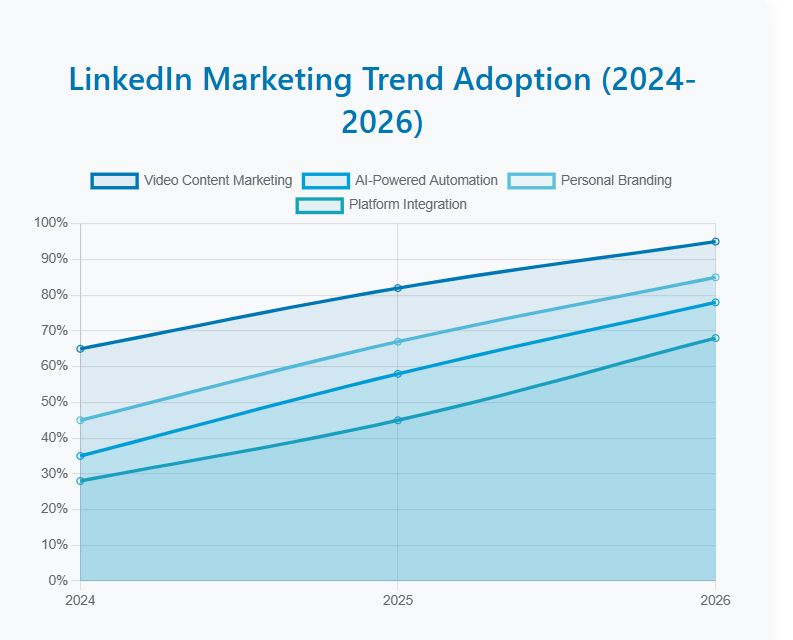
In Marketing Trends 2025
Future-Ready Strategies for Professional Success
Key Trends Shaping LinkedIn Marketing:
- Video content receives 5x more engagement than static posts
- Live streaming generates 24x more comments than regular videos
- Short-form videos (under 30 seconds) see 23% higher engagement
- AI-powered targeting increases campaign effectiveness by 69%
- Personal branding content drives 40% higher follower growth
- Mobile video engagement accounts for 73% of total video views
In 2025 and beyond, LinkedIn Marketing continues to evolve, and businesses must stay ahead of the curve to remain competitive. The platform is continuously introducing new features and tools designed to enhance user engagement, increase content visibility, and offer more effective ways to reach target audiences. To make the most of your LinkedIn Marketing Strategy, it’s important to keep an eye on emerging trends that will shape the future of marketing on the platform.
The Rise of Video Content and Live Streaming
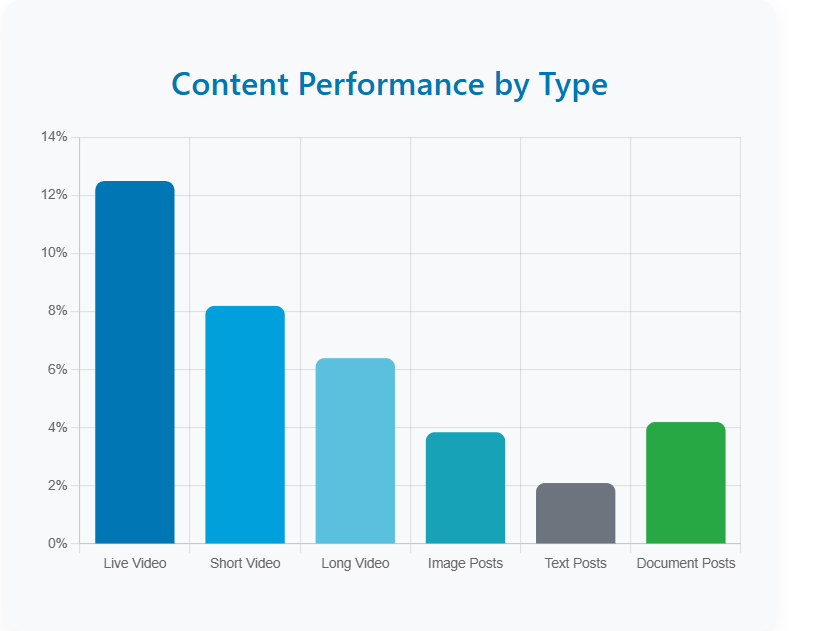
Video content is already one of the most effective ways to engage audiences across all social platforms, and LinkedIn is no exception. In 2025, video will continue to grow in prominence, as it allows businesses to create highly engaging, visually compelling content that stands out in users’ feeds.
LinkedIn Live, a feature that allows businesses to broadcast live content, is gaining traction. Live streaming creates real-time interactions, offering businesses an opportunity to answer questions, discuss industry trends, or showcase products. This trend is expected to grow, as consumers and professionals alike prefer live, interactive experiences that are authentic and immediate.
Additionally, short-form video content, akin to TikTok or Instagram Reels, is likely to make its way into LinkedIn’s feature set. These bite-sized videos, which are quick to consume and share, can be used to promote events, highlight achievements, or offer quick tips, all while maintaining a professional tone suited to LinkedIn’s audience.
AI and Automation in Content Creation and Engagement
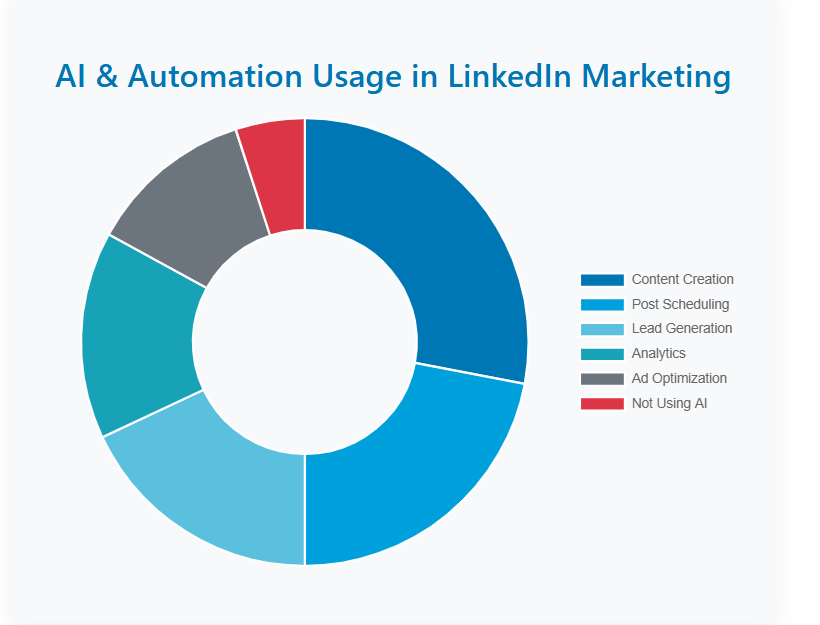 Artificial intelligence (AI) and automation are two of the most transformative trends in digital marketing, and LinkedIn Marketing is no exception. AI tools are already being used to enhance content creation, optimize posts, and personalize outreach efforts. For instance, AI-driven tools can help marketers generate content ideas, craft compelling headlines, or even optimize posts for SEO.
In the future, AI is expected to play a more significant role in automating routine tasks such as scheduling posts, responding to messages, and analyzing performance metrics. This will free up marketers to focus on high-level strategy and creative content while ensuring their efforts are as efficient and impactful as possible.
In addition, automation tools can help businesses scale their LinkedIn Ads campaigns by adjusting bidding strategies, targeting options, and even ad creatives in real time based on performance data. As AI capabilities improve, businesses will be able to run more sophisticated and highly personalized campaigns at scale.
Increased Focus on Personal Branding and Authenticity
In 2025, authenticity will continue to be a central theme in LinkedIn Marketing. As users become more accustomed to traditional advertising and corporate messaging, they are increasingly seeking genuine, authentic interactions. Personal branding has already become a significant focus for individuals and businesses, and it will become even more important in the future.
As part of your LinkedIn Marketing Strategy, it will be essential to position both your business and its leaders as approachable, transparent, and authentic. Share behind-the-scenes content, personal stories, and insights that reflect your company’s values. This approach will help build stronger connections with your audience, fostering trust and loyalty.
Additionally, personal branding on LinkedIn isn’t just for influencers and CEOs anymore. Small business owners, marketing executives, and employees at all levels are increasingly encouraged to build their own personal brands by sharing valuable insights, engaging with industry discussions, and showcasing their expertise. This shift will make LinkedIn even more dynamic as more professionals share their voices and ideas.
Integration of LinkedIn with Other Marketing Platforms
Another trend to watch is the increasing integration of LinkedIn with other marketing platforms. As businesses look to streamline their marketing efforts across multiple channels, seamless integration between LinkedIn and platforms like HubSpot, Salesforce, and email marketing tools will allow for more cohesive campaigns.
LinkedIn’s native integration with these platforms will make it easier to manage leads, track conversions, and analyze the overall performance of your campaigns. By synchronizing data from various platforms, businesses will have a more holistic view of their marketing efforts, enabling them to make smarter, data-driven decisions.
Points To Note:
- Video content and live streaming are expected to play a major role in LinkedIn marketing, with increased engagement opportunities.
- AI and automation will streamline content creation, post scheduling, and lead generation efforts, enabling more personalized and efficient campaigns.
- Personal branding and authenticity will continue to be central to successful marketing strategies on LinkedIn.
- The integration of LinkedIn with other platforms will provide businesses with a more unified approach to managing their marketing campaigns.
By staying ahead of these trends, businesses can position themselves to take full advantage of LinkedIn’s evolving features and stay competitive in the digital marketing landscape.
Conclusion: Crafting Your LinkedIn Marketing Strategy
As we’ve explored throughout this guide, LinkedIn Marketing Strategies are essential for businesses aiming to establish themselves as leaders in their industry, drive meaningful connections, and generate high-quality leads. With over 900 million users and a wealth of powerful tools, LinkedIn offers unparalleled opportunities to build your brand and grow your business. However, to succeed, businesses must carefully craft a strategy that aligns with their goals, audience, and resources.
Aligning LinkedIn Efforts with Business Goals
Before diving into tactics, it’s essential to define your LinkedIn Marketing Strategy within the context of your broader business goals. Whether your aim is to increase brand awareness, generate leads, or establish your company as a thought leader in your industry, aligning your LinkedIn efforts with these objectives will guide your decisions moving forward.
Start by asking these questions:
- What do I want to achieve with my LinkedIn presence?
- Who is my target audience?
- What actions do I want them to take—whether it’s following my page, engaging with my content, or reaching out for a consultation?
Once you have clear objectives, tailor your LinkedIn Marketing Strategy to meet these needs. For example, if lead generation is your primary goal, focus on creating engaging LinkedIn Ads and optimizing your profile for better visibility. If brand awareness is your goal, prioritize creating valuable content and expanding your network.
Continuous Learning and Adaptation
One of the most exciting aspects of LinkedIn Marketing is that the platform is constantly evolving. To stay ahead, it’s important to continuously evaluate your performance and adapt your strategy based on new trends, features, and insights. Regularly monitor your LinkedIn Analytics to track metrics like engagement, reach, and conversions. These insights will help you identify what’s working and where there’s room for improvement.
Additionally, keep an eye on LinkedIn’s updates and new feature rollouts, as these can provide new opportunities to engage with your audience in innovative ways. Staying up-to-date with LinkedIn Marketing best practices will ensure your strategies remain relevant and effective.
Implementing and Evaluating Your Strategy
Once your strategy is in place, it’s time to implement and start executing. Be sure to maintain consistency in your posting schedule, engagement efforts, and ad campaigns. Whether you’re posting valuable content, running LinkedIn Ads, or engaging with your network, regular activity is key to staying top of mind with your audience.
After a few months of implementing your strategy, take the time to evaluate its performance. Are you meeting your objectives? What metrics need improvement? What content resonates most with your audience? Use this feedback to make adjustments and continuously improve your LinkedIn Marketing Strategy.
By crafting a well-thought-out strategy, staying adaptable, and evaluating your progress, you’ll position your business to thrive on LinkedIn and achieve lasting success.
Points To Note:
- Align your LinkedIn Marketing Strategy with your broader business goals for clear direction.
- Continuously evaluate performance and adapt your approach based on data-driven insights.
- Stay consistent with your content and engagement efforts to maintain a strong presence on LinkedIn.
With the right strategy, LinkedIn can become one of the most powerful tools in your marketing arsenal, helping you connect with your target audience, build relationships, and achieve your business objectives.
Frequently Asked Questions on LinkedIn Marketing Strategies
What is LinkedIn Marketing?
LinkedIn Marketing refers to the strategies businesses and professionals use to promote their brand, engage with their audience, and generate leads on LinkedIn. This includes organic strategies like posting content, optimizing profiles, and building networks, as well as paid advertising through LinkedIn Ads.
How can I generate leads on LinkedIn?
To generate leads on LinkedIn, focus on creating high-quality, valuable content, optimizing your profile to attract the right audience, and engaging with potential clients through personalized connection requests and messages. You can also use LinkedIn Ads for targeted lead generation campaigns and leverage tools like Sales Navigator for advanced prospecting.
What types of content should I post on LinkedIn for marketing?
For effective LinkedIn Marketing, diversify your content strategy. Post a mix of text updates, long-form articles, infographics, and videos to engage different audience types. Share industry insights, success stories, company news, and thought leadership content. Use LinkedIn Live to interact with your audience in real time and build stronger connections.
How do I optimize my LinkedIn profile for marketing?
Optimizing your LinkedIn profile involves having a professional profile picture, a compelling headline, and an informative summary that clearly explains what you do and the value you offer. Highlight your experience, skills, and accomplishments, and ensure your profile includes relevant keywords to improve searchability.
What are LinkedIn Ads, and how can they help my business?
LinkedIn Ads are paid advertisements that appear in users’ feeds, InMail inboxes, or sidebar sections. They are highly targeted, allowing you to reach professionals based on job titles, industries, skills, and more. They help businesses increase visibility, drive traffic, and generate high-quality leads. The main types of LinkedIn Ads include Sponsored Content, Sponsored InMail, and Text Ads.
What is Sales Navigator, and how can I use it?
Sales Navigator is an advanced LinkedIn tool designed to help businesses find and engage with potential leads. It offers detailed search filters, lead recommendations, and real-time insights, making it an invaluable tool for targeted lead generation. It’s especially useful for businesses focusing on B2B marketing.
How can I measure the success of my LinkedIn marketing efforts?
To measure the success of your LinkedIn Marketing Strategy, track key performance metrics such as engagement rate, click-through rate (CTR), impressions, conversion rates, and cost per lead (CPL). Use LinkedIn Analytics to monitor your content’s reach and performance and adjust your strategy based on these insights.
How can I use LinkedIn Live for my business?
LinkedIn Live allows businesses to broadcast real-time events like webinars, Q&A sessions, and product launches. It’s an excellent way to engage directly with your audience, answer their questions in real time, and increase interaction. Going live can help you build a more personal connection with your followers, making it an effective strategy for branding and lead generation.
How often should I post on LinkedIn for marketing?
Consistency is key when it comes to LinkedIn Marketing. Aim to post at least 2-3 times per week to keep your audience engaged. However, focus on quality over quantity. Share content that is informative, relevant, and valuable to your audience. Additionally, make sure to engage with comments and messages to foster ongoing conversations.
What is the best way to build a professional network on LinkedIn?
Building a professional network on LinkedIn involves sending personalized connection requests, engaging with industry leaders and influencers, joining relevant groups, and actively participating in discussions. Nurture these connections by regularly interacting with their content, offering valuable insights, and reaching out with meaningful messages.
Can personal branding help my business on LinkedIn?
Yes, personal branding is a powerful tool for LinkedIn Marketing. Building your personal brand alongside your business brand can help create a more relatable and trustworthy presence. By sharing your expertise, engaging with your audience, and showcasing your personality, you can build credibility and attract potential clients or partners to your business.
References:
- LinkedIn Marketing Solutions Blog
- LinkedIn Help Center
- Statista – LinkedIn User Demographics
- HubSpot Blog on LinkedIn Marketing
- LinkedIn Ads Guide
- Social Media Examiner – LinkedIn Marketing Tips
- Sales Navigator – LinkedIn
- LinkedIn Official Blog – Trends
- Buffer – How to Use LinkedIn for Marketing
- Sprout Social – LinkedIn Marketing Guide
- Neil Patel – LinkedIn Marketing
- Hootsuite – LinkedIn Marketing Strategy
Learning Resources:
- LinkedIn Learning – Professional development courses
- LinkedIn Marketing Labs – Free marketing courses
- Social Media Examiner – Digital marketing insights and tutorials
- Content Marketing Institute – Content strategy resources
- HubSpot Academy – Free marketing and sales courses
Essential LinkedIn Marketing Tools:
- Hootsuite – Social media management and scheduling
- Buffer – Content scheduling and analytics
- Canva – Design tool for creating LinkedIn visuals
- Sprout Social – Social media management and analytics
- LinkedIn Campaign Manager – LinkedIn’s official advertising platform
- Crystal – Personality insights for better communication
- Octopus CRM – LinkedIn automation tool
- MeetAlfred – LinkedIn outreach automation